Median sale price
About $525,000
Ann Arbor consistently prices above the Washtenaw County average, reflecting demand from university, hospital and technology employment.
Washtenaw County
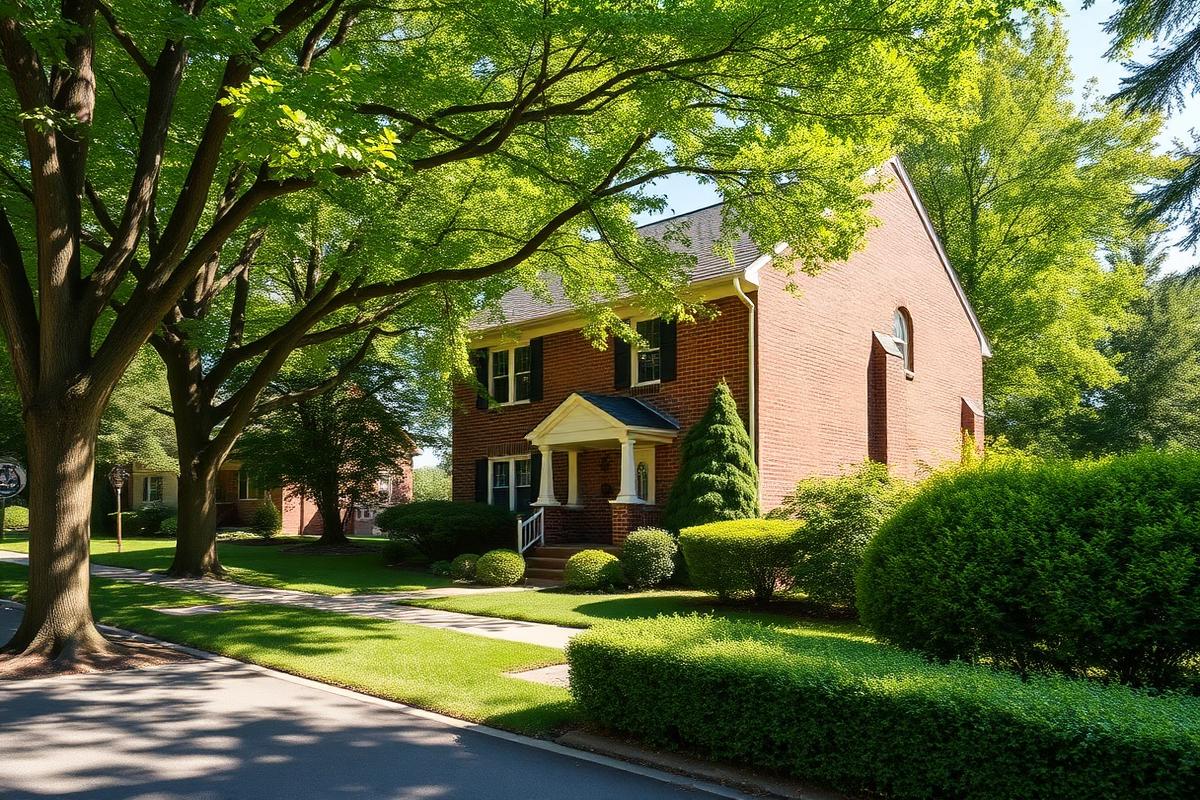
Mature tree-lined streets, historic homes and walkable neighborhoods minutes from a genuinely lively downtown. Parks, greenways and strong schools shape daily life here.
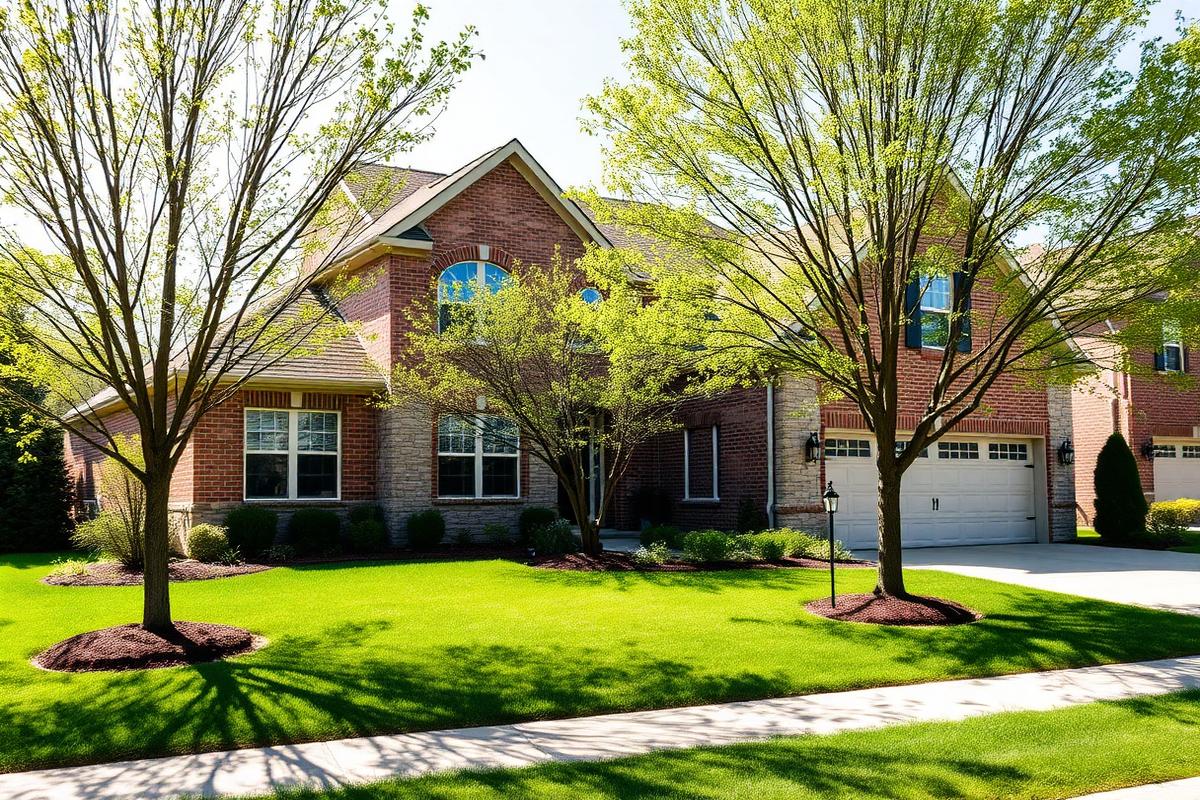
Ann Arbor is a university city in Washtenaw County with a walkable downtown, a deep parks system and neighborhoods that range from century-old homes near campus to newer construction on the west and north sides. It draws buyers who want cultural amenities, strong schools and short commutes without giving up mature, tree-lined streets.
Market data
How the Ann Arbor market is behaving right now, explained in plain terms.
Median sale price
About $525,000
Ann Arbor consistently prices above the Washtenaw County average, reflecting demand from university, hospital and technology employment.
Typical price range
$350,000 to $900,000
Condominiums and smaller ranch homes anchor the lower end, while renovated historic homes and newer builds carry the upper end past $1 million.
Common home styles
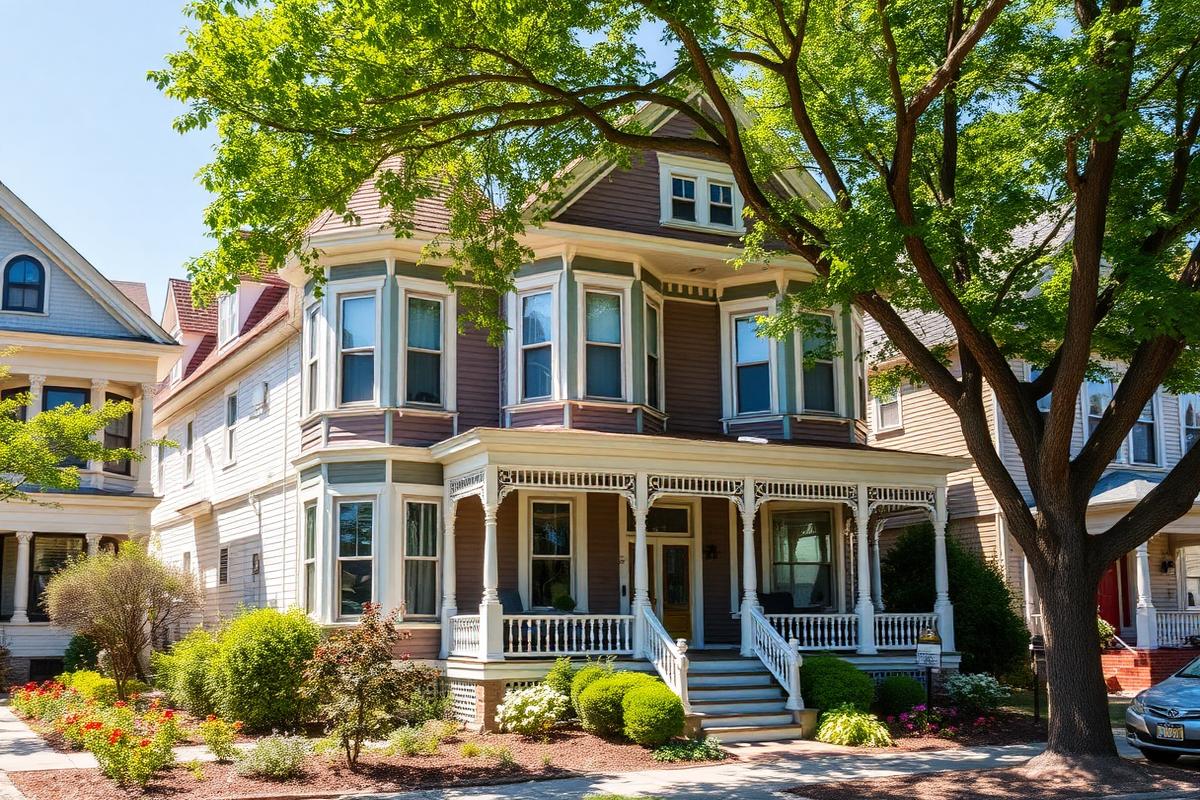
Colonial, bungalow, mid-century ranch
Older neighborhoods favor bungalows and colonials, while subdivisions built after 1990 lean toward two-story traditional and contemporary plans.
Average days on market
Roughly 18 days
Well-prepared homes priced to the comparable sales frequently go under contract in the first weekend of showings.
Annual appreciation
Around 4% to 6%
Growth has been steady rather than dramatic, which historically makes Ann Arbor values more durable during slower markets.
Inventory conditions
Persistently tight
Supply generally sits below the four to six months considered balanced, so sellers retain leverage in most price bands.
In plain terms, Ann Arbor is a seller-leaning market with a limited number of homes available at any moment. Buyers should expect competition on updated homes under the median price and more room to negotiate on properties that need work or have been listed for several weeks.
Pricing varies meaningfully by neighborhood. A home near Burns Park or the Old West Side often carries a premium over a comparable square-footage home on the far north side, and that difference is driven as much by walkability and lot character as by the house itself.
Market figures are approximate and reflect recent local trends rather than any single listing service report. Conditions shift by neighborhood and season, so contact Brenda for current numbers on a specific street or price band.
Daily life
Day to day, Ann Arbor feels like a small city that behaves like a larger one. Many residents walk or bike to work, groceries and school, and weekends tend to be spent on the trails, at the market or downtown.
Main Street and State Street cover independent retail and everyday needs, while Arborland and the Briarwood area handle national brands and big-box shopping. Two farmers markets operate seasonally.
The downtown restaurant scene is unusually deep for a city this size, spanning long-established institutions, regional chef-driven kitchens and a wide range of international cuisine.
More than 150 parks, the Huron River corridor and the Border-to-Border Trail put paddling, cycling and trail running within a few minutes of most neighborhoods.
Ann Arbor Public Schools serves most of the city and is a primary driver of buyer demand, alongside a range of independent and charter options.
US-23 and I-94 meet at the city's edge, putting Detroit Metro Airport near 25 minutes away and downtown Detroit within a typical hour.
University performances, museums, the summer art fairs and a year-round events calendar give the city a steady rhythm well beyond the academic year.
For buyers
Buyers choose Ann Arbor for a combination that is difficult to replicate elsewhere in Michigan: employment stability, walkable neighborhoods, respected schools and immediate access to green space.
The tradeoff is price. Purchasing here usually means paying more per square foot than in surrounding communities, and buyers who understand that going in tend to make faster, more confident decisions when the right home appears.
Employment anchored by the university and health system, which has historically softened local downturns.
Walkable neighborhoods where daily errands, parks and schools are reachable without a car.
Housing stock with genuine architectural character rather than repeated subdivision plans.
Strong resale demand, which protects your position when it is time to move again.
For sellers
Sellers benefit from a buyer pool that renews itself every year through relocation, hiring and household changes tied to the university and hospital systems.
Because inventory stays tight, a correctly priced and well-presented Ann Arbor home typically reaches its full audience quickly instead of sitting through weeks of quiet showings.
Consistent relocation demand from buyers moving in on a fixed timeline.
Limited inventory that keeps qualified buyers competing for the same listings.
Steady long-term appreciation, so most owners hold meaningful equity at sale.
Strong showing traffic in the first ten days when pricing and preparation are handled correctly.
Keep exploring